
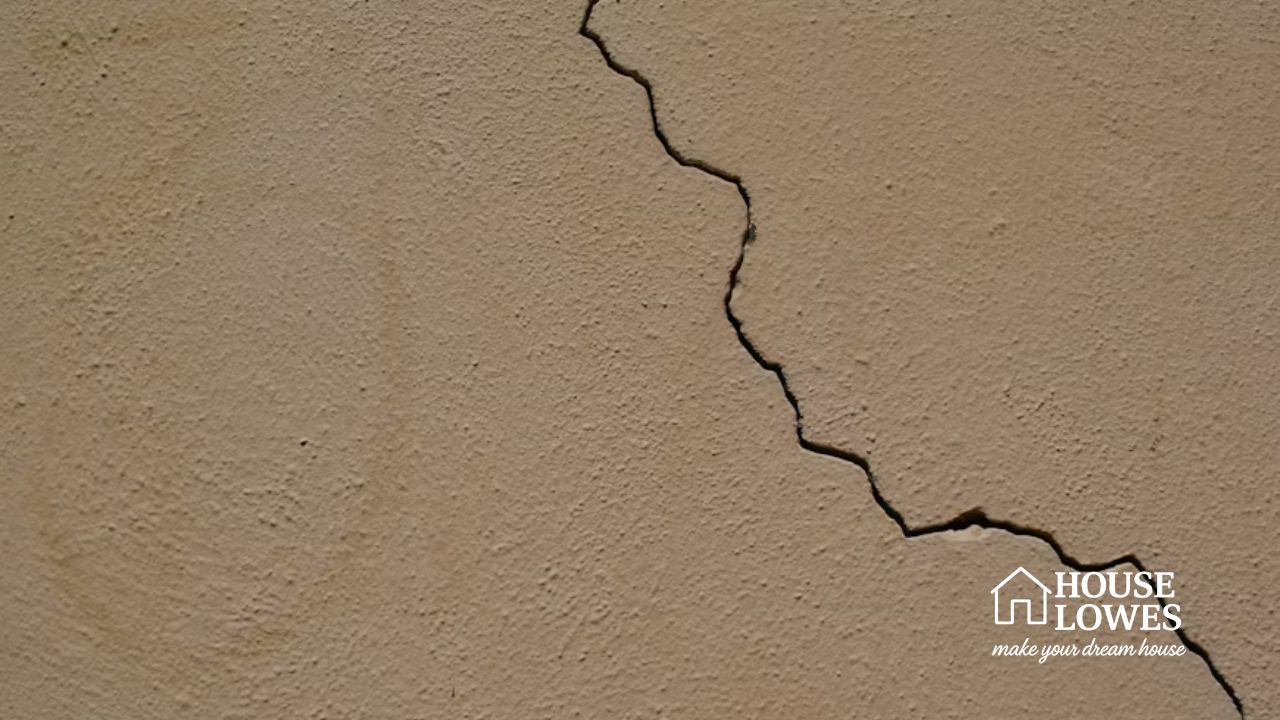
Not all cracks are created equal
You’ve just walked through a property that ticks nearly every box. It’s in a great location, the light pours in through the living room windows, and the layout actually makes sense. But then—you spot a crack.
Maybe it’s running diagonally from a window frame, or spidering across the ceiling in fine lines. And suddenly, all the charm of the place fades as you wonder: is this cosmetic, or a ticking time bomb under the plaster?
Cracks in walls are one of the most common concerns for buyers. And fair enough—structural issues aren’t just expensive; they can be dangerous if left unchecked. But before you panic, it’s worth knowing which types of cracks are worth worrying about, and which are simply the home settling into itself.
Why houses crack in the first place
No home is completely immune to cracking. Even brand new builds can show signs of movement in the first couple of years. The ground beneath a house shifts. Moisture levels rise and fall. Heat expands materials; cool air contracts them. And in Brisbane, where soils are reactive and summer storms can go from zero to torrential in minutes, houses often get pushed and pulled more than most.
Some cracking is a natural result of this movement—especially in areas where clay soils shrink and swell with changing moisture. Other times, it can be due to poor drainage, tree roots, or even renovations that altered the original structure of the home.
Hairline vs. horror show: crack categories explained
Here’s a general rule of thumb: size, location, and direction all matter.
- Hairline cracks (under 1mm): These are usually harmless and cosmetic. Often found in plaster or paint, especially around windows, doors, or where materials join. They might be caused by minor shrinkage or temperature changes.
- Minor cracks (1mm–5mm): Still not necessarily a red flag, but they’re worth monitoring. These can occur with seasonal soil movement, especially in older homes. If you see a few around cornices or door frames, they’re usually manageable.
- Noticeable cracks (5mm–15mm): Now we’re getting into the zone where it’s wise to call in a professional. These cracks may point to structural movement and should be assessed. Watch for doors and windows sticking—this can suggest the frame is shifting.
- Major cracks (15mm+): These are the ones you don’t want to ignore. Wide, jagged, or gaping cracks—particularly those that run diagonally, appear suddenly, or worsen quickly—could indicate serious foundation issues or structural instability.
Vertical, horizontal, or diagonal? The direction matters
- Vertical cracks are often the least serious. They can occur where a wall naturally expands and contracts and are sometimes seen in rendered brick or concrete.
- Diagonal cracks often raise more concern, especially if they start at corners of doors or windows. These can be signs of foundation movement.
- Horizontal cracks, particularly in brickwork or concrete, can be the most serious. If you see a long horizontal crack mid-wall, it might be due to pressure or bowing—and it’s time to speak to a structural engineer.
Other red flags to look out for
Cracks on their own can be misleading. Here’s what to consider alongside them:
- Are doors or windows sticking, jamming, or not closing properly?
- Are there visible signs of water damage or moisture around the crack?
- Do the floors feel uneven or “bouncy” when walked on?
- Have there been recent renovations or additions to the property?
- Is the area known for reactive clay soil, like many Brisbane suburbs?
These details help determine whether you’re looking at a cosmetic blemish or something that could blow out your budget after the keys are in your hand.
When a crack becomes a bargaining chip
Not all cracks are deal-breakers. In fact, many buyers use a professional report to renegotiate the sale price or request repairs before settlement. But to do that confidently, you need to know exactly what you’re dealing with.
That’s where a Brisbane Building and Pest Inspection becomes essential. A licensed inspector can not only identify whether cracks are structural, but also check for issues like moisture ingress, termite activity, and signs of past repair work. And in a property market where due diligence matters more than ever, that knowledge gives you leverage—whether to walk away or to negotiate better terms.
Don’t rely on Google images or guesswork
Cracks have a way of stirring up worst-case scenarios in buyers’ minds. And fair enough—a quick online search can make even the smallest blemish seem catastrophic. But while DIY research is useful, it can’t replace professional insight.
An experienced inspector will bring context to what you’re seeing. Maybe that crack is decades old and hasn’t moved in years. Or maybe it’s fresh, active, and a sign of something shifting below the surface. Either way, knowing is always better than guessing.
Peace of mind doesn’t have to cost a fortune
A quality inspection doesn’t just pick up on what’s wrong—it can also confirm what’s not. That reassurance alone is worth the small upfront cost, particularly when compared to the potential price of foundation repairs, structural bracing, or hidden termite damage.
So whether you’re eyeing a Queenslander in Paddington, a post-war in Moorooka, or a modern townhouse in Chermside, consider booking a trusted Brisbane Building and Pest Inspection before signing on the dotted line.
The bottom line?
Cracks aren’t always something to panic about—but they should never be ignored. Knowing when to worry (and when not to) can save you money, stress, and second-guessing. And when in doubt, get the experts in. It’s a small price to pay for sleeping well in your new home.
Admin Recommendation
Durable & Stylish Bronze Metal Roof – Your Complete Guide